Chelsea's Collapse Fuels Fixed Matches Speculation
By Fixed Matches Team
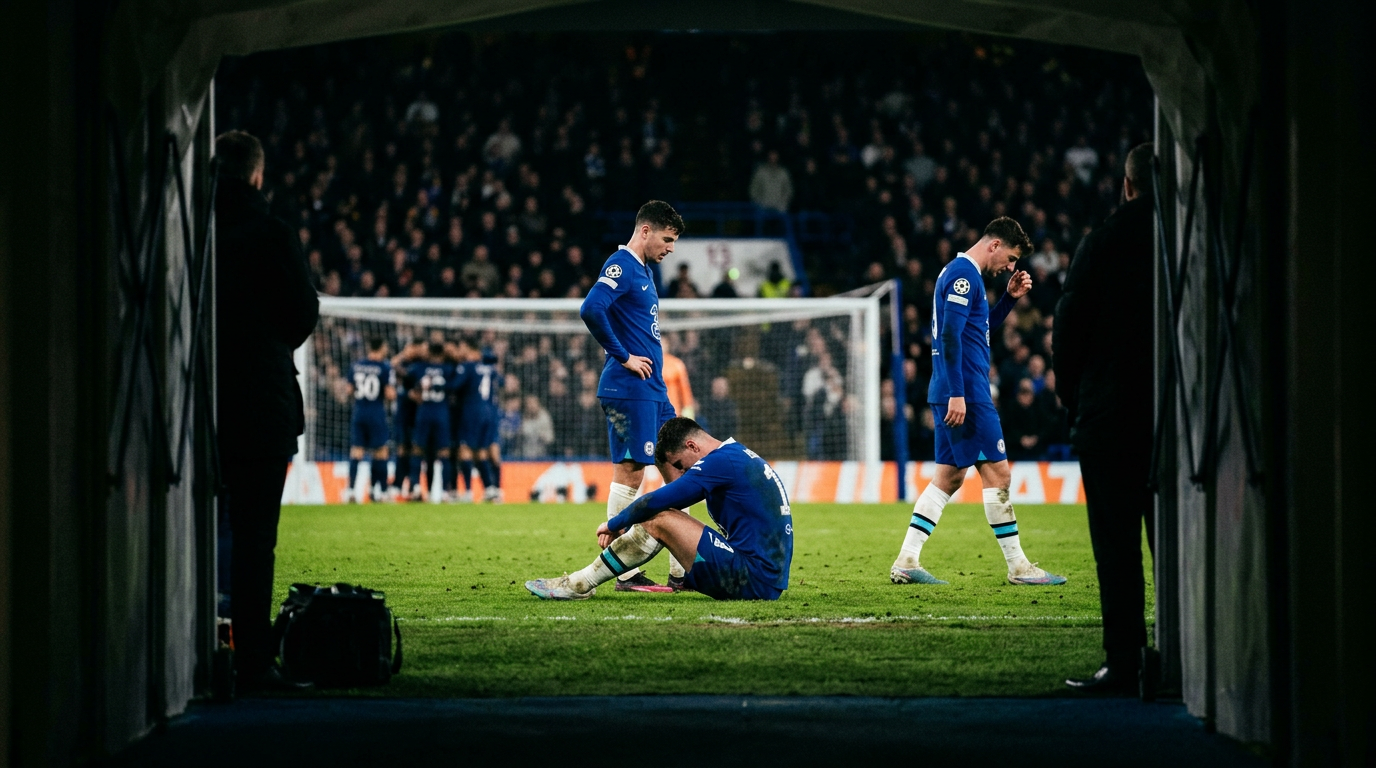
Paris Saint-Germain's emphatic 5-2 victory over Chelsea in their Champions League last-16 first leg on Wednesday, March 11, 2026, has sent shockwaves through the football world, not just for the scoreline but also for the manner in which Chelsea capitulated late in the game. While PSG's attacking prowess, spearheaded by a stellar performance from substitute Khvicha Kvaratskhelia, cannot be denied, the nature of Chelsea's collapse, particularly the late goals conceded, has inevitably fueled whispers and speculation about potential fixed matches within the betting community. The defeat leaves Chelsea with a mountain to climb in the return leg at Stamford Bridge and raises serious questions about the team's mentality and resilience under pressure.
Did Chelsea's Defensive Frailties Hint at Fixed Matches?
Chelsea's defensive performance was nothing short of abysmal, particularly in the final 15 minutes of the match. Goalkeeper Filip Jorgensen's costly error, leading to Vitinha's goal, was a turning point, but the overall lack of organization and communication in the backline raised eyebrows. While individual errors are part and parcel of football, the frequency and timing of these mistakes, especially when Chelsea was seemingly in contention, have sparked debate among fans and pundits alike. The sudden shift in momentum, with PSG scoring three goals in the final stages, has inevitably led to scrutiny and questions about the integrity of the match. Could external factors, such as potential fixed matches, have influenced the players' performance? While concrete evidence is lacking, the sheer implausibility of Chelsea's late-game disintegration is hard to ignore. A deeper dive into the statistics page might reveal anomalies in player performance or betting patterns that warrant further investigation.
Kvaratskhelia's Masterclass and the Shadow of Fixed Matches
Khvicha Kvaratskhelia's introduction in the 62nd minute proved to be a game-changer for PSG. His two late goals and an assist completely swung the momentum in PSG's favor. However, even such a brilliant individual performance cannot completely overshadow the questions surrounding the match. While Kvaratskhelia's talent is undeniable, the ease with which he navigated the Chelsea defense in the closing stages has raised suspicions. Was Chelsea's defense simply overwhelmed, or was there something more sinister at play? The betting market will have reacted strongly to Kvaratskhelia's impact, with live odds shifting dramatically after his introduction. This volatility is common, but it also highlights the potential for exploitation if inside information about fixed matches were to leak. The daily offers from bookmakers often reflect the perceived risk associated with specific matches, and a game like this, with its unexpected twists and turns, is likely to attract significant scrutiny.
Betting Market Impact and the Specter of Fixed Matches
The betting market responded swiftly and decisively to PSG's dominant win. Chelsea's odds of qualifying for the next round have lengthened dramatically, while PSG's odds of winning the Champions League have shortened considerably. However, the unusual nature of the result, particularly the late flurry of goals, has also triggered alerts among betting integrity watchdogs. Suspicious betting patterns, such as unusually large wagers placed on specific outcomes or timeframes, are often red flags that indicate potential fixed matches. Furthermore, the daily predictions models, which rely on historical data and statistical analysis, would likely have flagged Chelsea's late collapse as an anomaly, further fueling suspicions. The financial implications of such a result are enormous, and the potential for illicit gains through match-fixing is a constant threat to the integrity of the sport. Bookmakers will be closely monitoring betting activity surrounding the second leg, looking for any signs of manipulation.
Chelsea's Manager Under Pressure: Could Desperation Lead to Fixed Matches?
Chelsea's manager, Liam Rosenior, is now under immense pressure to turn things around in the second leg. The scale of the defeat has not only damaged Chelsea's Champions League hopes but also raised questions about his leadership and tactical acumen. In such high-stakes situations, the temptation to resort to desperate measures can be overwhelming. While there is no suggestion that Rosenior or anyone associated with Chelsea would engage in match-fixing, the pressure to deliver results can create a climate where ethical boundaries become blurred. The betting blog often discusses the psychological impact of pressure on players and managers, and how this can influence their decision-making. The risk of fixed matches is ever-present, and vigilance is crucial to safeguarding the integrity of the game.
Analyzing 1X2 Tips and the Potential for Fixed Matches
Analyzing 1X2 tips before and after the match provides valuable insights into the betting market's perception of the game and how it shifted following Chelsea's collapse. A significant divergence between pre-match predictions and post-match outcomes can be a red flag, suggesting that unforeseen factors, potentially including fixed matches, influenced the result. Furthermore, the movement of odds in the live betting market, particularly during the final stages of the game, can reveal suspicious patterns. For example, a sudden surge in bets on PSG to score multiple goals in the last 10 minutes could indicate prior knowledge of Chelsea's impending collapse. While analyzing 1X2 tips alone is not conclusive evidence of match-fixing, it can be a valuable tool in identifying potential irregularities and triggering further investigation. The integrity of football depends on constant vigilance and a commitment to upholding fair play.
Frequently Asked Questions
Q: What are the key indicators of potential fixed matches?
A: Key indicators include unusual betting patterns (large wagers on specific outcomes), significant discrepancies between pre-match predictions and the final result, and suspicious player performance (e.g., uncharacteristic errors, lack of effort). A sudden shift in momentum and late goals, as seen in the Chelsea vs. PSG match, can also raise red flags.
Q: How do betting integrity watchdogs investigate potential fixed matches?
A: Betting integrity watchdogs analyze betting data, monitor player and official behavior, and conduct interviews to gather evidence. They work closely with law enforcement agencies and football governing bodies to identify and prosecute individuals involved in match-fixing.
Q: What are the consequences of being found guilty of match-fixing?
A: The consequences of match-fixing can be severe, including lengthy bans from football, criminal charges, and reputational damage. Individuals involved in match-fixing may also face financial penalties and even imprisonment.