Iran World Cup Uncertainty Amidst Tensions
By Fixed Matches Team
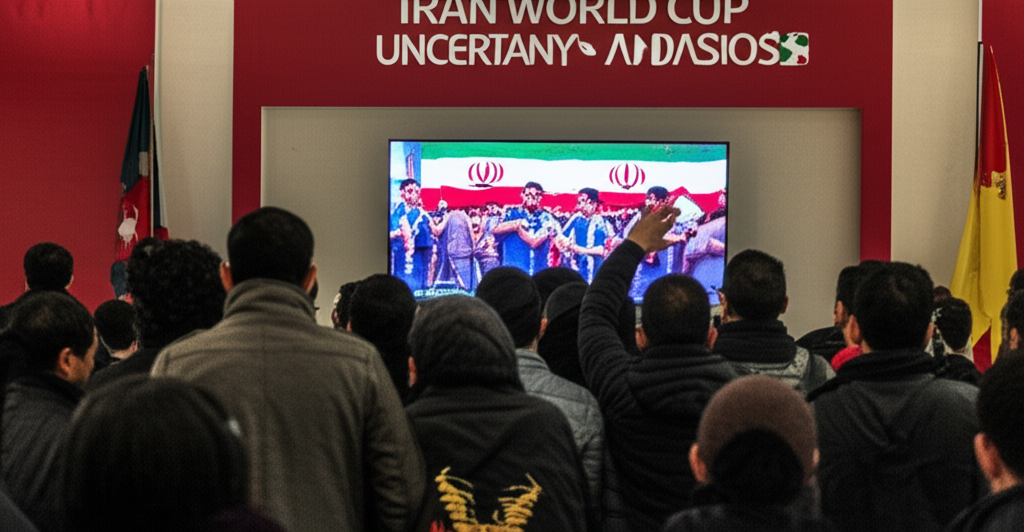
The rapidly escalating conflict between the United States and Iran is casting a long shadow over the upcoming 2026 FIFA World Cup, raising serious questions about Iran's participation. With the tournament, set to begin in just over three months, being co-hosted by the U.S., Canada, and Mexico, the participation of Iran, who have qualified and been drawn into Group G, is now shrouded in uncertainty. The geopolitical situation threatens to disrupt one of the world's most celebrated sporting events, and the potential ramifications are being felt across the footballing world. The future of Iran at the World Cup hangs in the balance.
Geopolitical Turmoil and the Iran World Cup Question
The recent U.S.-Israeli military actions targeting Iran, including the reported death of Iran's Supreme Leader Ayatollah Ali Khamenei, have dramatically intensified tensions. In response, Iran is said to have launched retaliatory strikes on U.S. air bases in the Gulf region and vowed further action. Mehdi Taj, the president of Iran's football federation, has publicly expressed grave doubts about the team's ability to participate in the World Cup under these circumstances. He emphasized that the final decision rests with the "sports chiefs," implying a higher authority's involvement in this politically charged decision. FIFA is now facing a delicate balancing act, trying to ensure a fair and secure tournament, while navigating complex international relations. The possibility of an Iranian boycott is a very real concern.
The escalating tensions between the U.S. and Iran present an unprecedented challenge to the integrity and inclusivity of the 2026 FIFA World Cup.
Potential Impact on the World Cup Tournament
Should Iran withdraw from the World Cup, the repercussions would be far-reaching. Logistically, FIFA would need to scramble to find a replacement team, potentially disrupting the carefully planned schedule. Competitively, the absence of Iran would alter the dynamics of Group G, affecting the strategies and chances of New Zealand, Belgium, and Egypt. Iran's Group G matches are scheduled to take place in the United States: against New Zealand on June 15, Belgium on June 21, both in Los Angeles, and against Egypt on June 26 in Seattle. The uncertainty surrounding Iran's participation raises questions about potential replacements and the impact on the tournament schedule. Furthermore, a withdrawal could trigger a domino effect, with other nations potentially considering boycotts in solidarity or for their own political reasons, potentially impacting daily predictions.
Historical Context and Political Football
The relationship between the U.S. and Iran has been fraught with tension for decades, stemming from historical events such as the 1953 coup d'etat and the 1979 Iranian Revolution. Football matches between the two nations have often become symbolic battlegrounds, reflecting the broader geopolitical rivalry. The 1998 World Cup match between the U.S. and Iran was famously dubbed the "mother of all games" due to the intense political backdrop. Despite the tensions, the match was played in a spirit of sportsmanship, and FIFA awarded both teams a fair play award. The two teams also met in the 2022 FIFA World Cup in Qatar, where the USA won 1-0. This history underscores the sensitivity surrounding any potential encounter between the two nations on the football field. Moreover, this tension could lead to more interest in betting blog to see how historical context affects the game.
Travel Restrictions, Human Rights, and World Cup Inclusivity
Even before the recent escalation, travel restrictions affecting Iranian nationals posed significant challenges for fans and family members hoping to attend the World Cup. While exemptions typically exist for athletes and essential support personnel, broader travel bans could severely limit the inclusivity of the tournament. The inability of Iranian fans to support their team in person would be a major blow. Furthermore, human rights concerns within the host countries, particularly the U.S., have also been raised. Issues related to immigration, freedom of expression, LGBTQI+ rights, and labor rights remain points of contention. FIFA is under pressure to ensure the safety and security of all participants and fans while upholding its commitment to human rights. FIFA Secretary General Mattias Grafström stated that FIFA will monitor developments. daily offers may be affected.
Betting Implications and Market Analysis on the World Cup
The current uncertainty surrounding Iran's participation in the 2026 World Cup, coupled with the potential for further political boycotts, is already having a noticeable impact on betting odds and market sentiment. As of February 17, 2026, Spain was considered the frontrunner to win the tournament with odds of +450. Other top contenders included England (+600), France (+650), and Brazil (+750). Harry Kane and Kylian Mbappe were among the early favorites to win the FIFA Golden Boot. However, the evolving geopolitical situation could significantly alter these odds. If Iran withdraws, the odds for Group G teams like New Zealand, Belgium, and Egypt could shift. Furthermore, a broader boycott could lead to widespread volatility in the betting markets. Bettors are advised to closely monitor the news and adjust their strategies accordingly. It's crucial to consider the potential impact of political factors on team performance and tournament outcomes. Check out our statistics page for more information on team performance. Also, review our 1X2 tips for well-researched predictions.
FIFA's Response and the Road Ahead
FIFA faces an immense challenge in navigating these complex political issues while striving to deliver a successful and inclusive World Cup. The organization must balance its commitment to sporting integrity with the realities of international relations. FIFA's response to the situation will be closely scrutinized by fans, players, and governments around the world. The coming weeks will be crucial in determining the fate of Iran's participation and the overall atmosphere of the 2026 World Cup. The organization faces the delicate task of navigating complex political issues while striving to deliver a successful and inclusive World Cup. FIFA Secretary General Mattias Grafström stated that FIFA will monitor developments. The Iran World Cup saga is far from over.
Frequently Asked Questions
Q: What happens if Iran withdraws from the World Cup?
A: If Iran withdraws, FIFA will likely select a replacement team based on factors such as FIFA ranking and geographical representation. This could disrupt the tournament schedule and impact the betting odds for Group G teams.
Q: Could other countries boycott the World Cup?
A: It is possible, though unlikely, that other countries could boycott the World Cup in solidarity with Iran or for their own political reasons. This would have a significant impact on the tournament and the betting markets.
Q: How are travel restrictions affecting the World Cup?
A: Travel restrictions on Iranian nationals could prevent many fans from attending the World Cup, reducing the inclusivity of the event. Exemptions for athletes and essential personnel may be granted, but broader travel bans could limit attendance.