Manager Longevity: Football's Elusive Prize
By Fixed Matches Team
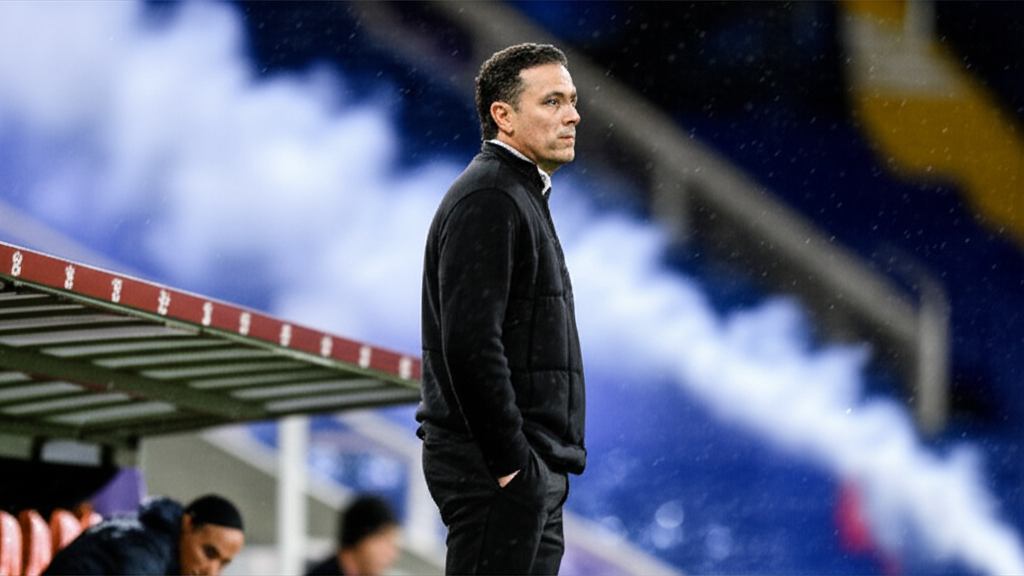
The modern football landscape is littered with the remnants of broken three-year plans, leaving many to wonder: what truly constitutes manager longevity in today's cutthroat environment? The pressure cooker of professional football demands immediate results, often rendering long-term strategies obsolete before they even have a chance to take root. This analysis delves into the secrets of sustained success, drawing insights from figures like Tony Pulis and examining the factors that allow some managers to thrive while others quickly succumb to the relentless demands of the game.
Results Trump All: The Impatience Factor
The most significant obstacle to manager longevity is undoubtedly the unwavering emphasis on immediate results. Gone are the days of patient club owners willing to weather a storm of poor performances while a manager implements a long-term vision. Today, a string of losses can trigger a swift dismissal, regardless of the manager's pedigree or the potential they possess. This impatience is fueled by the immense financial stakes involved, the constant media scrutiny, and the ever-demanding fanbase. Clubs are under pressure to qualify for lucrative competitions like the Champions League or avoid relegation from the Premier League, and managers are held accountable for achieving these goals. Consequently, the "three-year plan," as Pulis suggests, has become more of a myth than a reality. This environment has also changed the betting markets, with more action on manager sack races than ever before.
“The modern game is heavily focused on immediate results. Managers are under immense pressure to deliver wins, and a string of poor performances can quickly lead to their dismissal.”
The betting implications are clear: keep a close eye on teams struggling with form. The odds on a manager to be sacked will shorten dramatically after a few poor results. Smart bettors can capitalize on this by identifying vulnerable managers and placing bets before the odds become too short. Furthermore, understanding the club's expectations and the manager's relationship with the board is crucial for making informed decisions. The daily offers page can sometimes offer insight into specific situations, as bookmakers often adjust odds based on rumors and news surrounding a manager's future.
Adaptability: The Key to Survival
Tony Pulis, known for his pragmatic approach, frequently emphasizes the importance of adapting tactics to suit the available players. A rigid adherence to a specific philosophy, regardless of its effectiveness with the current squad, is a recipe for disaster. Successful managers are chameleons, capable of molding their strategies to maximize the strengths of their team and exploit the weaknesses of their opponents. This adaptability extends beyond tactics; it also encompasses player management, scouting, and the ability to stay ahead of evolving trends in the game. A manager who can identify undervalued players, develop young talent, and create a cohesive team spirit is far more likely to achieve manager longevity than someone who relies solely on a pre-determined blueprint. Moreover, adaptability also means being able to weather the storm of injuries, suspensions, and unexpected departures of key players.
- Assess player strengths
- Exploit opponent weaknesses
- Develop young talent
- React to injuries and suspensions
From a betting perspective, understanding a manager's tactical flexibility is key. A manager known for adapting his approach based on the opponent may lead to unpredictable match outcomes, making it challenging to predict the final score or number of goals. However, this adaptability can also create opportunities. For instance, if a team is facing a strong attacking opponent, a manager known for defensive pragmatism might deploy a more cautious approach, potentially leading to a lower-scoring game. The statistics page is a valuable resource for analyzing a team's performance under different tactical approaches.
Beyond Tactics: Relationships and Club Culture
While tactical acumen is essential, manager longevity also hinges on the ability to cultivate strong relationships within the club. A positive rapport with the owners, the board, the players, and the support staff can provide a crucial buffer against the inevitable setbacks that occur throughout a season. A manager who has the trust and support of the decision-makers is more likely to be given time to turn things around during a difficult period. Furthermore, a manager who understands and respects the club's culture and traditions is more likely to be embraced by the fans and the community. This connection can create a sense of unity and shared purpose, which can be a powerful force during challenging times. However, even the most established relationships can crumble under the weight of persistent poor results or internal conflicts.
“A strong relationship with the club's owners and board is crucial for a manager's survival.”
The betting market rarely factors in the behind-the-scenes dynamics of a club, but these factors can have a significant impact on performance. A team with a harmonious atmosphere and a strong sense of unity is more likely to perform well, even when facing adversity. Conversely, a team plagued by internal conflicts and a strained relationship between the manager and the players is likely to struggle, regardless of the tactical prowess of the manager. Savvy bettors often look for clues in media reports, player interviews, and social media activity to gauge the overall atmosphere within a club. Keep an eye on betting blog for any news or rumors.
Set Pieces and the Pulis Legacy
Tony Pulis's managerial career is synonymous with a focus on organization, defensive solidity, and, perhaps most notably, set-piece prowess. His teams were renowned for their effectiveness from corners, free-kicks, and throw-ins, often converting these opportunities into crucial goals. While some may have criticized his style of play as being overly pragmatic or even defensive, there's no denying that it brought him considerable success, including promotion to the Premier League with Stoke City and an FA Cup final appearance. Pulis's emphasis on set-pieces highlights a often overlooked aspect of the game that can provide a significant competitive edge. He believes a well-drilled set-piece routine can unlock even the most stubborn defenses. Therefore, while focusing on manager longevity, it is important to understand that success is not only about glamorous football.
The Modern Manager: A Multifaceted Role
The role of a football manager has evolved significantly over the years. Today's managers are not just tacticians; they are also psychologists, motivators, negotiators, and public relations experts. They must be able to manage a diverse squad of players from different backgrounds, cultures, and personalities. They must be able to handle the intense pressure of the media spotlight and the expectations of the fans. They must be able to negotiate transfer deals, manage budgets, and build relationships with agents. The ability to juggle these multiple responsibilities is crucial for achieving manager longevity in the modern game. Furthermore, the rise of data analytics has added another layer of complexity to the role, requiring managers to be able to interpret and utilize vast amounts of information to make informed decisions. The best managers are those who can combine their traditional football knowledge with the insights provided by data analysis.
For bettors, this multifaceted role means evaluating more than just win-loss records. Consider a manager's track record in player development, their ability to motivate a team after a defeat, and their tactical flexibility in different game situations. A manager who consistently gets the best out of his players, regardless of their individual talent, is more likely to deliver consistent results and provide value for bettors. Consider checking daily predictions for match insights.
Frequently Asked Questions
Q: What is the most important factor for manager longevity?
A: While many factors contribute, consistent results are paramount. However, adaptability, strong relationships within the club, and the ability to handle pressure are also crucial for long-term success.
Q: How can bettors use information about manager longevity?
A: Bettors can use this information to assess a team's stability and potential for success. A team with a long-serving, respected manager is more likely to deliver consistent results than a team with frequent managerial changes.
Q: Does a manager's tactical approach affect betting outcomes?
A: Yes, a manager's tactical approach can significantly influence betting outcomes. Pragmatic, defensively-minded managers may lead to lower-scoring games, while attacking managers may lead to higher-scoring games. Understanding a manager's tactical preferences can help bettors make informed decisions.