WAFCON 2026 Postponement Fuels Fixed Matches Speculation
By Fixed Matches Team
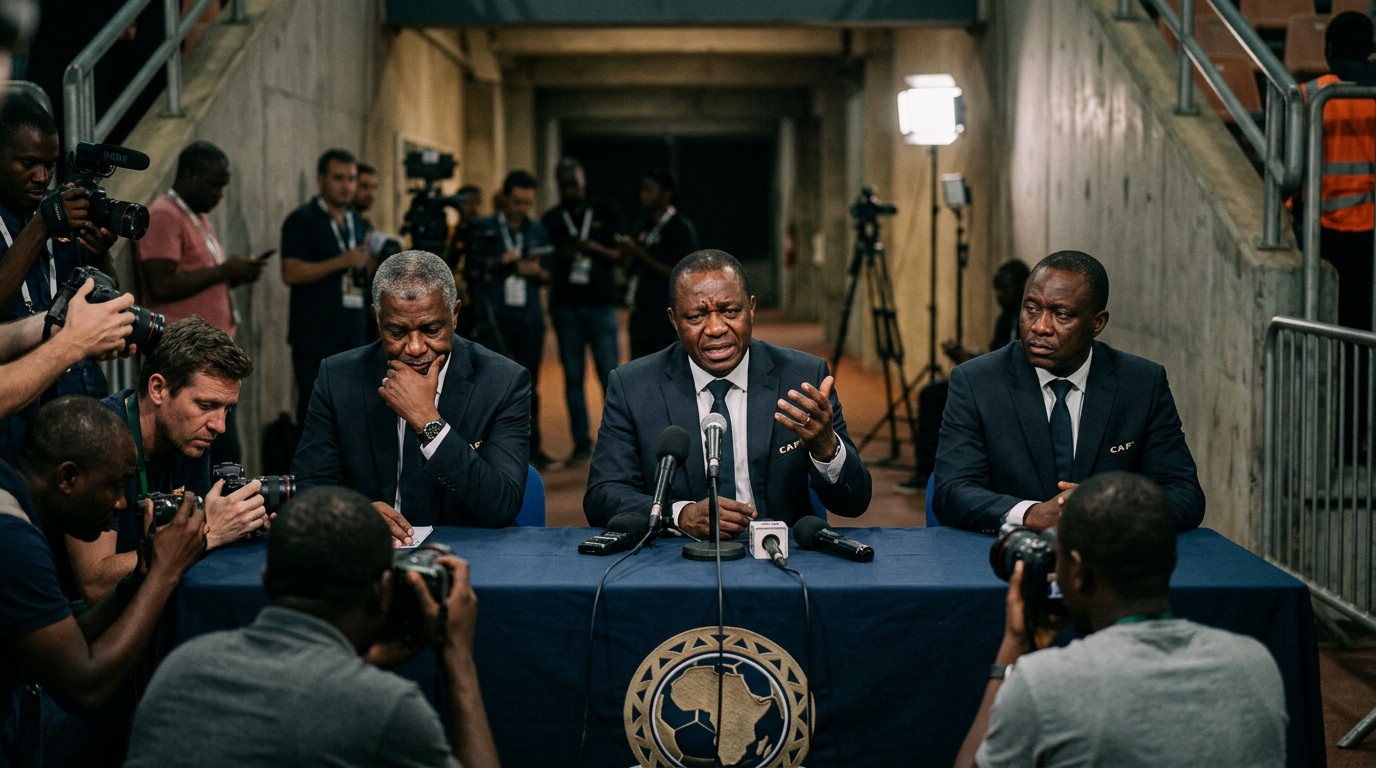
The Confederation of African Football's (CAF) eleventh-hour postponement of the 2026 Women's Africa Cup of Nations (WAFCON), just twelve days before its scheduled kick-off in Morocco, has sent ripples through the football world, sparking not only logistical concerns but also raising eyebrows regarding potential fixed matches. The tournament, initially set to run from March 17th to April 3rd, 2026, has now been pushed back to July 25th to August 16th, 2026, with CAF citing vague "unforeseen circumstances" as the primary reason. This abrupt decision, while officially attributed to organizational challenges, has inevitably fueled speculation about underlying issues, including the possibility of compromised integrity within the competition. The late nature of the postponement is particularly concerning, leaving teams scrambling to adjust their meticulously planned preparations and casting a shadow over the tournament's credibility even before a ball has been kicked.
Sudden WAFCON Delay and the Shadow of Fixed Matches
The official explanation for the postponement centers on the Fédération Royale Marocaine de Football's (FRMF) reported concerns about completing necessary preparations in time. Morocco has been a busy host nation, staging numerous high-profile football events recently, including the 2025 Men's AFCON. Some reports suggest the FRMF was overwhelmed by the logistical demands, leading to the request for a delay. Furthermore, the chaotic scenes witnessed during the 2025 Men's AFCON final in Rabat, which raised serious questions about Morocco's organizational capabilities, added fuel to the fire. While these may be legitimate concerns, the timing of the announcement—so close to the tournament's commencement—inevitably raises suspicions. Could the delay be a preemptive measure to address concerns about potential fixed matches or other integrity issues? It's a question that many in the footballing community are now asking, particularly given the history of match-fixing controversies in various leagues and tournaments across the globe.
The late postponement raises concerns about the integrity of the competition and the possibility of preemptive action against potential match-fixing.
Betting Market Volatility and the Fixed Matches Factor
The postponement has undoubtedly sent shockwaves through the betting market. With the tournament now months away, bookmakers are re-evaluating odds and adjusting their algorithms to account for the altered circumstances. The uncertainty surrounding the reasons for the delay adds another layer of complexity for bettors. Those who had already placed wagers on the tournament's outcome are now faced with the prospect of potentially having their bets voided or significantly altered. The disruption caused by the postponement also creates an opportunity for unscrupulous individuals to exploit the situation. Rumors of fixed matches can spread quickly in such an environment, leading to increased volatility and potentially skewed odds. Bettors should therefore exercise extreme caution and conduct thorough research before placing any wagers on the rescheduled tournament. Analyzing historical data, team form, and expert opinions becomes even more crucial in navigating this uncertain landscape. You can find useful statistics page to help with your analysis.
Impact on World Cup Qualification and Team Morale
The 2026 WAFCON holds significant weight as it serves as a crucial qualifier for the 2027 FIFA Women's World Cup in Brazil. The top four teams from the tournament will secure automatic qualification, while two more will have a chance to qualify through inter-confederation playoffs. The postponement could, therefore, significantly impact the participating teams' preparations and strategies for both the WAFCON and the World Cup. The delay could disrupt training schedules, affect player fitness, and potentially impact team morale. For teams that had been meticulously preparing for the March dates, the sudden shift in schedule requires a complete overhaul of their plans. This could be particularly challenging for smaller nations with limited resources. Furthermore, the uncertainty surrounding the reasons for the postponement can create a sense of unease and suspicion within the teams, potentially affecting their performance on the field. The potential for fixed matches, even if unfounded, can cast a long shadow over the competition, impacting the players' confidence and the overall integrity of the tournament. Check out our daily predictions for insights.
Integrity Concerns and the Need for Vigilance
The postponement of the WAFCON serves as a stark reminder of the ever-present threat of match-fixing in football. While there is no concrete evidence to suggest that the delay is directly related to fixed matches, the circumstances surrounding the postponement warrant increased vigilance and scrutiny. Football associations and governing bodies must take proactive steps to safeguard the integrity of the competition, including implementing robust monitoring systems, conducting thorough background checks on players and officials, and educating participants about the dangers of match-fixing. Furthermore, increased transparency and communication are crucial in building trust and confidence among fans and bettors. Addressing rumors and suspicions head-on, rather than dismissing them outright, can help to mitigate the potential damage caused by unsubstantiated claims. The fight against match-fixing is a continuous battle, and the postponement of the WAFCON highlights the need for unwavering commitment and collaboration among all stakeholders. For more information, consult our betting blog.
Navigating the Betting Landscape After the Postponement
For bettors, the WAFCON postponement presents both challenges and opportunities. The re-evaluation of odds provides a chance to identify potential value bets, but it also requires a more nuanced understanding of the factors that could influence the tournament's outcome. Keeping a close eye on team news, player form, and any further developments related to the postponement is crucial. Moreover, bettors should be wary of rumors and unsubstantiated claims, particularly those related to fixed matches. Relying on credible sources of information and conducting thorough research is essential in making informed betting decisions. While the postponement has undoubtedly created uncertainty in the betting market, it also offers a chance for savvy bettors to capitalize on the altered landscape. Remember to compare odds from different bookmakers and consider exploring alternative betting markets, such as over/under goals or handicap betting. Always gamble responsibly and within your means. Explore daily offers for potential value.
Frequently Asked Questions
Q: Why was the WAFCON 2026 postponed?
A: CAF officially cited "unforeseen circumstances," but reports suggest concerns over Morocco's readiness and scheduling conflicts contributed to the decision.
Q: Does the postponement increase the risk of fixed matches?
A: While there's no direct evidence, the circumstances warrant increased vigilance and scrutiny to safeguard the tournament's integrity.
Q: When will the WAFCON 2026 now take place?
A: The tournament is now scheduled to be held from July 25th to August 16th, 2026.