West Ham Face Player Sales After Huge Losses
By Fixed Matches Team
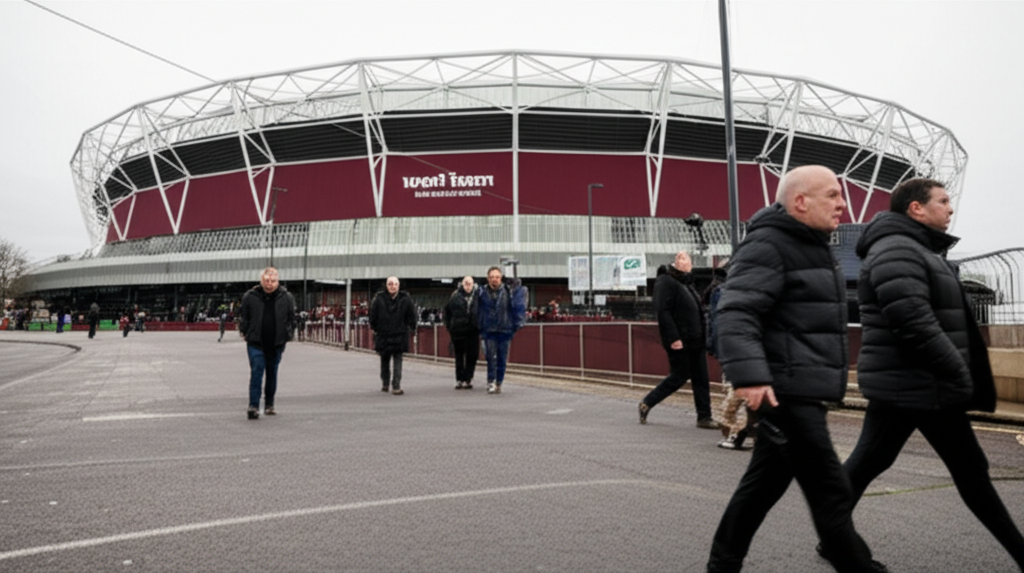
West Ham United are facing a summer of significant upheaval and potential player departures after announcing staggering financial losses of £104.2 million for the year ending May 31, 2025. The hammer blows of no European football, a disappointing league position, and reduced broadcast revenue have combined to create a perfect storm. This sharp downturn from the previous year's £57.2 million profit necessitates drastic action, and the club has already signaled that player sales are inevitable to balance the books and avoid breaching Financial Fair Play (FFP) regulations. The ramifications for West Ham's squad and their Premier League status are considerable, with many now questioning whether the club can avoid relegation.
Financial Fair Play Concerns for West Ham
The substantial **financial losses** have understandably raised concerns about West Ham's compliance with Financial Fair Play (FFP) and the Premier League's Profitability and Sustainability Rules (PSR). While the club insists they are currently within the regulations, the margin for error has significantly diminished. PSR dictates that clubs must not exceed a certain loss threshold over a three-year rolling period. West Ham's recent splurge in the transfer market, coupled with increased wages and reduced income, has pushed them dangerously close to that limit. UEFA's cost control measures, limiting spending on wages and transfers, add another layer of complexity, particularly if West Ham were to qualify for European competition in the future. The pressure is on to generate revenue and reduce expenditure, and player sales appear to be the most viable solution.
West Ham's financial situation highlights the precarious balance between ambition on the pitch and financial stability off it.
The club's increased debt, including a renewed overdraft facility and a new term loan, further underscores the severity of their financial predicament. Karren Brady's increased wages will also raise eyebrows among fans already concerned about the team's performance and financial health. The club will need to carefully manage its finances to avoid further penalties or restrictions.
Potential Player Sales to Offset Losses
To address the **financial losses** and comply with FFP/PSR regulations, West Ham are almost certain to offload some of their key players during the summer transfer window. A club source has confirmed a zero transfer budget unless players are sold first. This reality severely limits the manager's ability to strengthen the squad and adds pressure to achieve results with the existing team. The need to sell players before buying also puts West Ham at a disadvantage in the transfer market, potentially forcing them to accept lower offers for their assets.
Jarrod Bowen's name has been frequently mentioned as a potential departure. The winger's consistent performances have attracted interest from Manchester United and Tottenham Hotspur, but his long-term contract could command a significant transfer fee. Whether Bowen has a relegation release clause in his contract remains to be seen, but his sale would undoubtedly provide a substantial boost to West Ham's finances. Other players who could be considered for sale include those on high wages or those who haven't consistently performed to their potential. Selling academy graduates could also provide pure profit, which is particularly attractive under FFP rules.
Relegation Battle and the Betting Market
West Ham's **financial losses** are inextricably linked to their current position in the Premier League table. The club is embroiled in a fierce relegation battle, and the prospect of dropping down to the Championship looms large. The Opta supercomputer gives West Ham a 70.8% chance of being relegated, a stark indicator of the perilous situation they find themselves in. This probability is reflected in the betting market, where West Ham are priced at around 4/5 or 5/6 to be relegated, implying a probability of approximately 55% to 71%. These odds make them one of the favorites to go down.
Relegation would have catastrophic consequences for West Ham's finances. The loss of Premier League broadcasting revenue, sponsorship deals, and matchday income would exacerbate their existing problems. While their London Stadium rent would be reduced, the overall financial impact would be devastating. Bookmakers are already adjusting their odds on West Ham's future performance, and a relegation outcome would likely trigger further downward revisions.
- Consider checking daily offers for enhanced odds on relegation outcomes.
Furthermore, the uncertainty surrounding West Ham's future ownership could also impact the betting market. Any rumors of a potential takeover or change in ownership could lead to fluctuations in the odds, particularly regarding their relegation prospects.
Impact of Relegation on West Ham's Finances
The potential impact of relegation on West Ham's **financial losses** cannot be overstated. Relegation triggers a significant reduction in revenue streams, primarily due to the loss of Premier League broadcasting rights. These rights are the lifeblood of Premier League clubs, and their absence would severely cripple West Ham's ability to compete financially. Sponsorship deals are also likely to be renegotiated downwards, and matchday income would plummet due to lower attendances and ticket prices. The parachute payments offered to relegated clubs provide some financial relief, but they are insufficient to fully offset the losses.
West Ham's London Stadium rent would be reduced if they were relegated, but this would be a small consolation compared to the overall financial devastation. The club would likely be forced to sell even more players to reduce their wage bill and balance the books. Rebuilding the squad in the Championship would be a challenging task, particularly with limited financial resources. Relegation could also impact the club's ability to attract and retain top talent, making it more difficult to bounce back to the Premier League. The last time West Ham were relegated was in the 2011/12 season, a period the club will be keen to avoid repeating.
- See the statistics page for historical relegation data and trends.
Therefore, West Ham's primary objective must be to avoid relegation at all costs. Their financial future depends on it.
Transfer Activity and Liquidity Concerns
West Ham's recent transfer activity further highlights their financial challenges. In the summer of 2025, they spent heavily, bringing in nine new players for around £137 million. While these signings were intended to strengthen the squad, they have contributed to the club's increased wage bill and amortization costs. Key signings included Jean-Clair Todibo, El Hadji Malick Diouf, and Mateus Fernandes. However, the club's transfer income was significantly lower, resulting in a net loss of £62 million. In January 2026, they added five more players for approximately £50 million, including Valentin Castellanos and Pablo. While they managed to generate a net profit of £3.8 million in January, this was largely due to player sales and does little to alleviate the overall financial pressure.
West Ham is forecasting a liquidity shortfall in the summer of 2026, even if they manage to avoid relegation. This means they may struggle to meet their financial obligations without additional funding. This could lead to further player sales, increased borrowing, or even the need for shareholder investment. The club's financial situation is undoubtedly precarious, and they face a challenging few months ahead. Monitoring daily predictions might help you predict their results based on team morale and performance.
- Check out our betting blog for more insights into football finance and its impact on betting markets.
In conclusion, West Ham United faces a complex and challenging financial situation. The combination of significant **financial losses**, the need to comply with FFP/PSR regulations, and the looming threat of relegation has created a perfect storm. The club may be forced to make difficult decisions regarding player sales to balance the books and avoid further financial difficulties. The outcome of their relegation battle will ultimately determine their financial future.
Frequently Asked Questions
Q: What are Financial Fair Play (FFP) regulations?
A: FFP regulations are a set of rules designed to ensure that football clubs operate within their financial means and do not spend more than they earn. The Premier League's version of FFP is known as Profitability and Sustainability Rules (PSR).
Q: What happens if West Ham gets relegated?
A: Relegation would have severe financial consequences for West Ham, including a significant reduction in revenue from broadcasting rights, sponsorship deals, and matchday income. It would likely lead to further player sales and a challenging period of rebuilding in the Championship.
Q: Which West Ham players are most likely to be sold?
A: Jarrod Bowen is the player most frequently mentioned as a potential departure due to his consistent performances and interest from other clubs. However, other players on high wages or those who haven't consistently performed could also be considered for sale.